
Celebrating Black History Month: Understanding The Silent Decline of Black Mosques in America
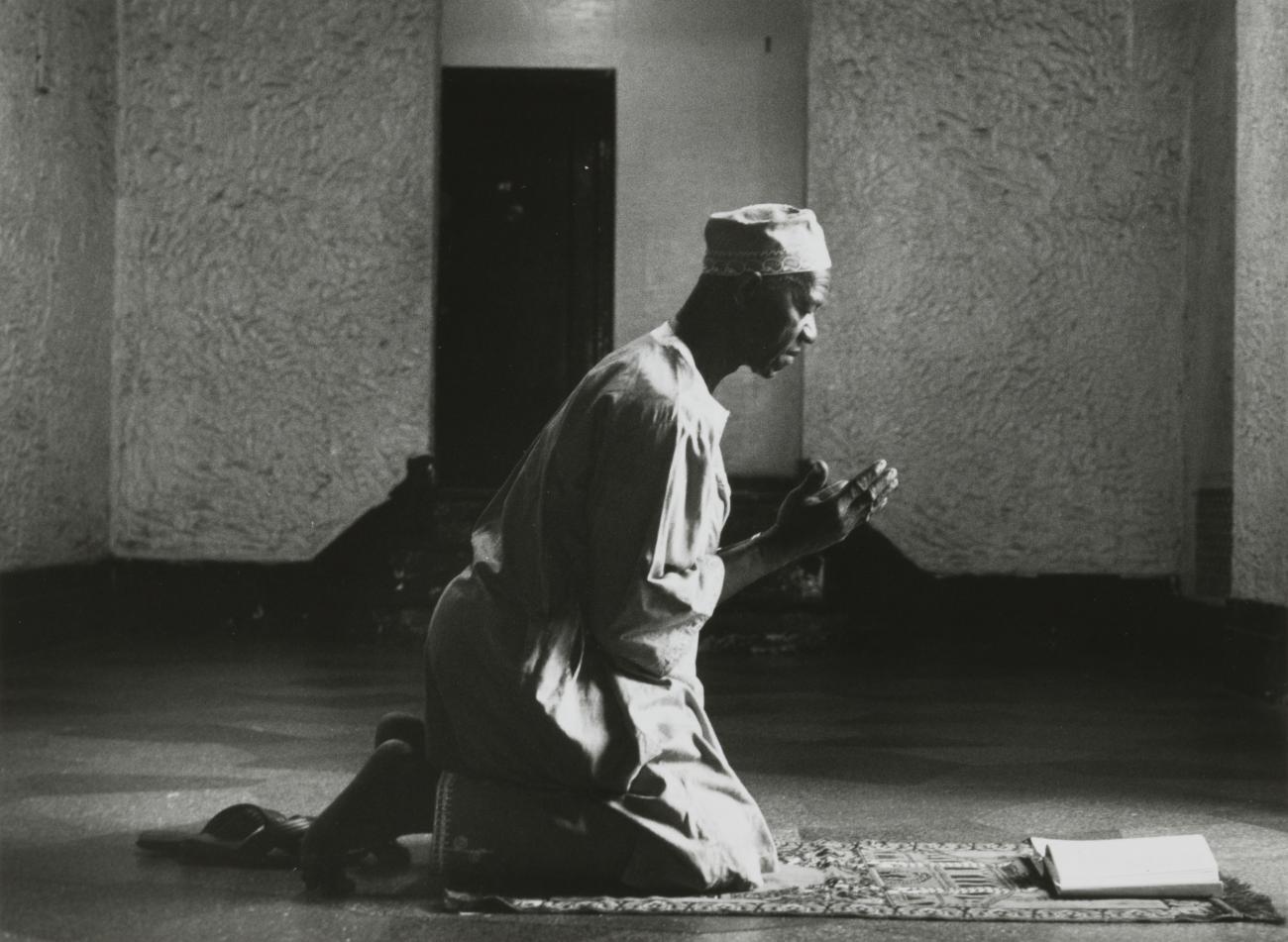
Black Muslims have played a defining role in shaping the religious and cultural landscape of the U.S.
According to a statistics report of 2019, Black Muslims accounted for a fifth of all U.S. Muslims, and about half are converts to Islam A 2011 report by the Pew Research Center found that 40 percent of native-born US Muslims are African American. Many of these converted to Islam during the 1960s and 1970s due, in part, to the influence of the Nation of Islam.
For decades, mosques have been at the heart of Black Muslim communities, not only serving as places of worship but also as centers for activism, education and social support.
However, a concerning trend has emerged in recent years. Black American mosques are declining at an alarming rate, contrasting with the overall rise of mosques in the country.
The reasons behind this decline range from economic challenges to financial strains, raising pressing questions about the future of these spaces.
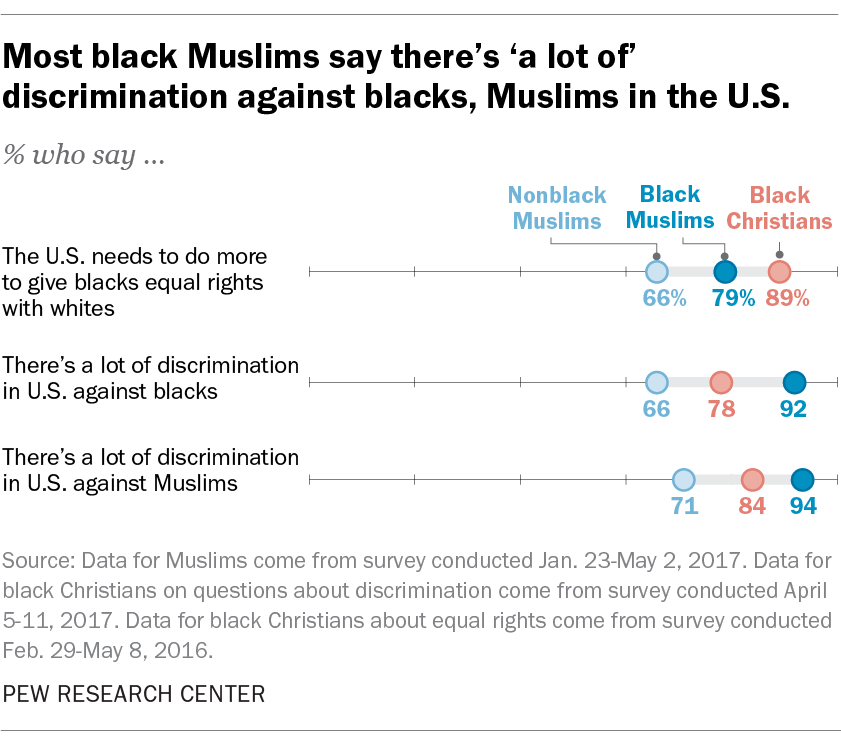
While the United States guarantees religious freedom, Black Muslims often face a dual struggle—experiencing both racial discrimination and Islamophobia.
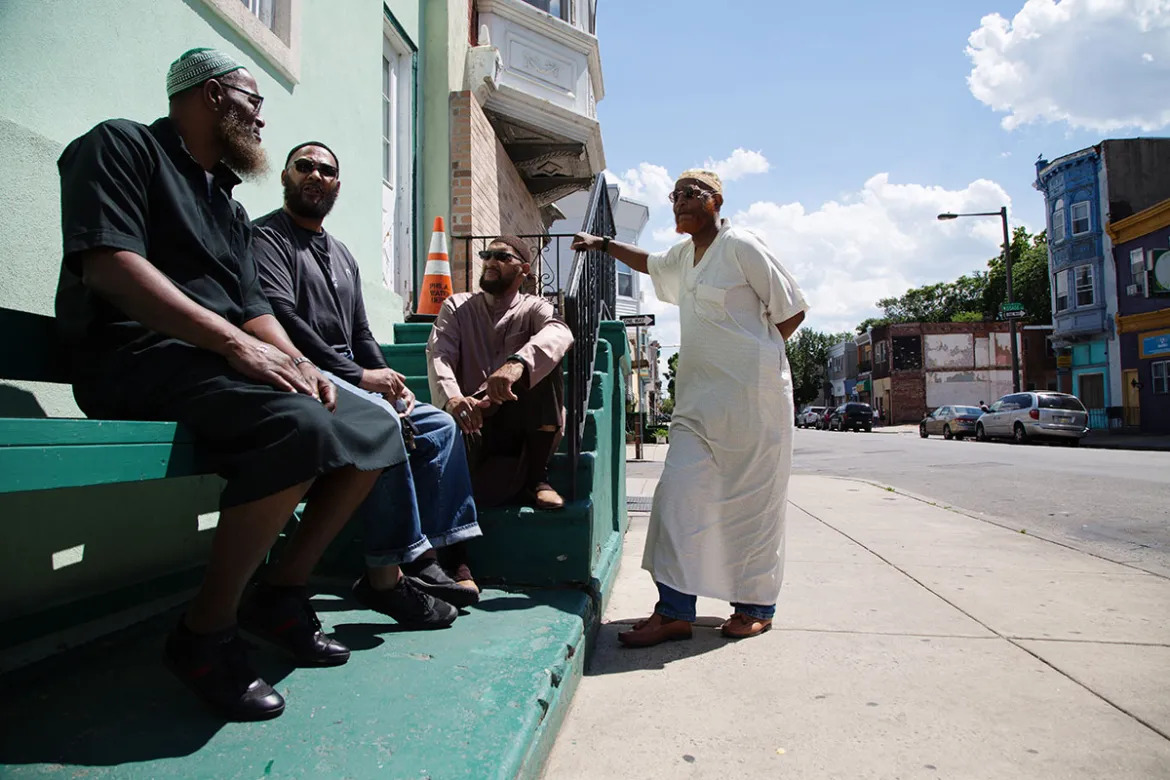 Men seen chatting outside a mosque in Philadelphia-AlJazeera
A 2019 Pew Research Center survey found that 82% of Americans believe Muslims face discrimination, with 56% stating they experience it "a lot."
These challenges affect the way Black Muslims practice their faith, often reinforcing the necessity of having their own religious spaces where they can worship free from societal bias.
Black mosques have historically served as safe havens where African American Muslims define their religious identity on their own terms, separate from the cultural expectations often found in predominantly immigrant-led mosques.
This distinction is crucial, as many Black Muslims have spoken about feeling unwelcome or overlooked in spaces dominated by South Asian or Arab Muslim communities, where cultural norms sometimes overshadow religious inclusivity.
The Decline of Black Mosques: A Crisis in Urban Centers
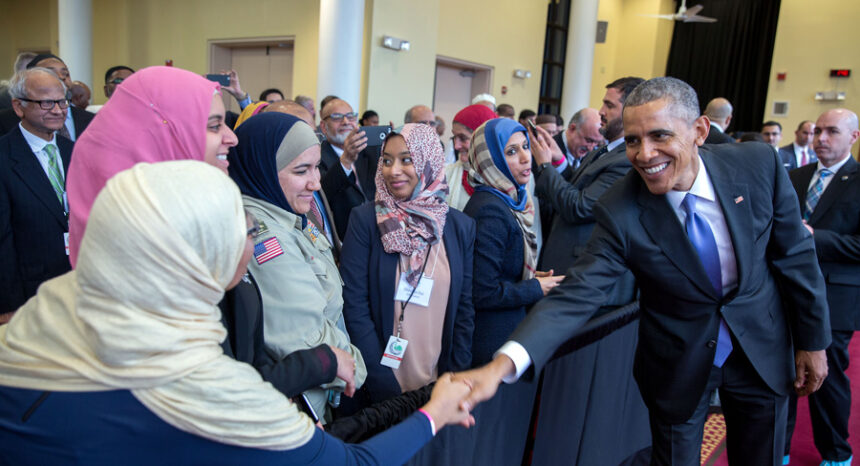 President Obama visits mosque in Baltimore in 2016 (White House Photo-Pete Souza)
A growing number of Black American mosques are shutting down, even as the overall number of mosques in the United States continues to rise, according to a report.
The American Mosque 2020: Growing and Evolving, released on June 2, highlights significant shifts in Muslim demographics and their impact on places of worship.
This decline starkly contrasts with the growth of suburban mosques, which are often backed by wealthier immigrant Muslim communities.
The loss of Black mosques is not just about losing places of worship; it is about erasing vital centers for political activism, youth mentorship, and economic empowerment.
These mosques were key players in the civil rights movement and continue to serve as platforms for addressing issues like mass incarceration, systemic racism, and social justice.
A Timely Reflection During Black History Month
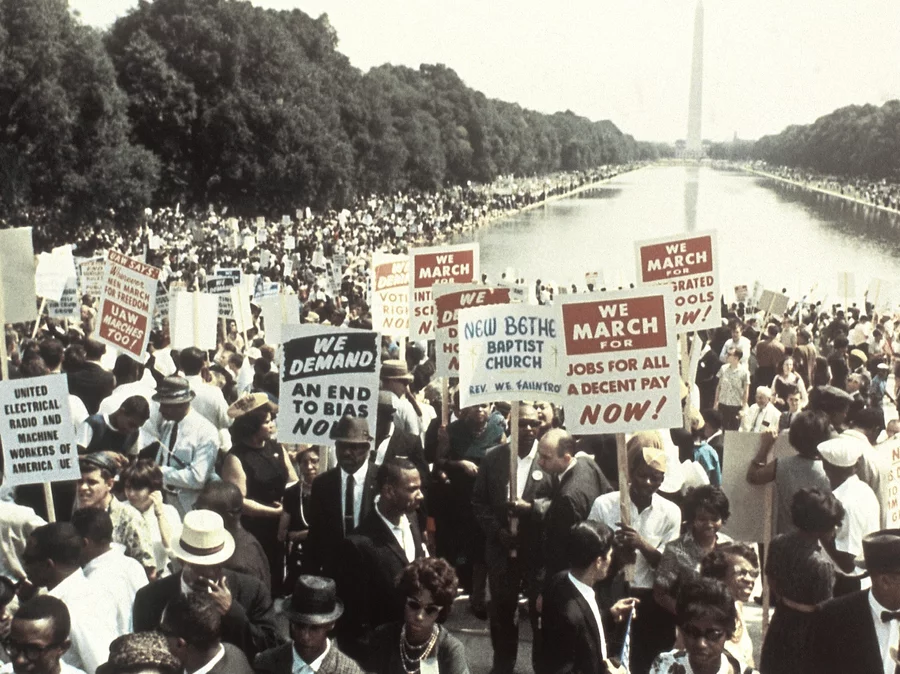
Crowds gather at Washington Monument for a civil rights demonstration on Aug. 28, 1963
Preserving Black mosques is not just about maintaining religious institutions; it is about safeguarding Black Muslim identity.
Experts suggest efforts to counteract this decline require financial investment, increased community engagement, and stronger policy initiatives.
Community-led fundraising efforts and partnerships with advocacy groups can help sustain existing mosques. Engaging younger generations through mentorship and youth programs is essential in ensuring that Black mosques remain relevant and active.
Copyright © AMT Inc. All rights reserved 2024.