
The Role of American Muslim Youth in Social Justice Movements
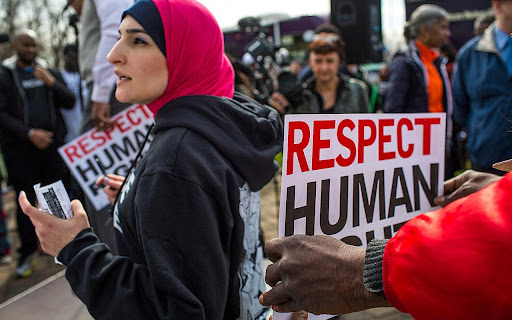
American Muslims have been part of social justice movements throughout their history. Muslim leaders like Malcolm X and organizations like the Nation of Islam were at the forefront during the civil rights era, advocating for racial and social equity. The Muslim youth have been engaged as well in such movements, showing their presence in the American call for social justice.
Muslim youth have been part of movements and causes that intersect with their faith and lived experiences. After the 9/11 incident, Muslims faced severe surveillance, discrimination, and stereotyping in the U.S. 75% of the Muslims living in the U.S. believe there is huge discrimination against them.
This kind of discrimination forces them towards activism. They are pushed to join civil rights organizations, participate in legal battles against unjust policies, and make their voices heard through media and grassroots organizing.
Key Issues Driving Activism
There are several social justice issues that have mobilized the American Muslim Youth and combating Islamophobia in the U.S. is the most crucial one. The hate against Muslims has increased by 70% during 2014-16 and has resulted in incidents like the Muslim Ban (2017). After these incidents, Muslim Youth-led organizations like the Muslim Anti-Racism Collaborative and Muslim Youth Leadership Council. These organizations have worked hard to challenge discrimination through legal action, awareness campaigns, and interfaith dialogues.
Another pressing social issue in the U.S. is that of immigrants and refugees, both having a significant portion of the Muslim Population. The Muslim youth have been quite vocal about this issue and have advocated for humane immigration policies. Many youth activists have started legal aid programs, educational workshops, and direct support for asylum seekers and undocumented individuals.
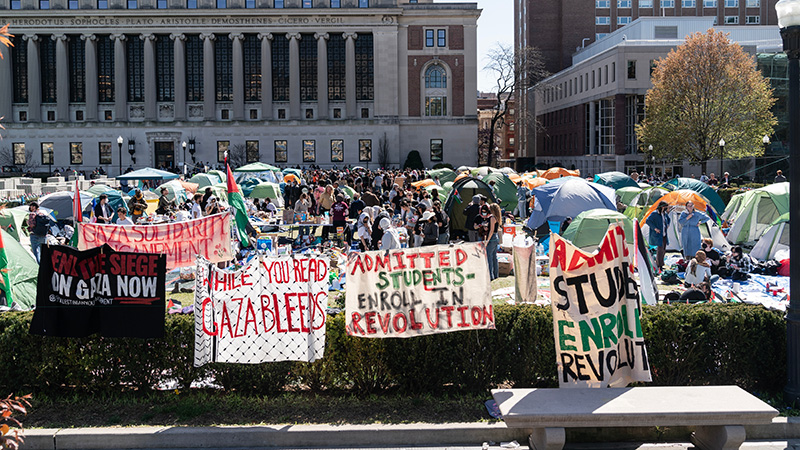
The plight of the Palestinian people has been a major issue for a time now. The Muslim youth activists have mobilized protests, campus movements, and advocacy efforts to push for a U.S. policy shift. These groups, like Students for Justice in Palestine (SJP) and American Muslims for Palestine (AMP), have led boycotts and have organized divestment campaigns for the people of Palestine. They have also led policy lobbying to raise awareness about human rights violations abroad.
Muslim youth, especially women, have been vocal advocates of gender equity, both within and outside their community. Individual figures like Linda Sarsour and social organizations like HEART Women & Girls have worked on pressing issues like domestic violence, reproductive justice, and gendered Islamophobia.
Strategies of Engagement
Social media has been a powerful platform for the Muslim youth and its rise has amplified their voices. They have mobilized strong mass support against these discriminatory policies after hashtag campaigns like #MuslimBan and #NoMuslimRegistry. According to studies, 82% of the Muslim youth activists use social media as their primary tool for activism.
Muslim Student organizations like MSA have been politically engaging other students across universities. They educate them about pressing social justice issues through organizing speaker events teach-ins, and protests.
Similarly, many young Muslims have been pursuing careers in law and public policy to challenge these systemic injustices. Many organizations like the Council on American-Islamic Relations (CAIR) involve these young Muslims and provide opportunities to engage in legal battles and policymaking.
The Muslim youth understands the power of solidarity and have actively engaged and collaborated with Christian, Jewish, and secular justice movements. These alliances have resulted in bridging the divides and creating a more inclusive activist landscape.
Impact and Future Directions
American Muslim youth continue to leave a lasting impact on social justice movements despite these challenges. Their continuous efforts have resulted in policy changes, increased representation in media and politics, and built stronger alliances with other marginalized groups.
The role of young Muslims in activism is likely to grow moving forward, particularly with the increasing role of technology, storytelling, and legal advocacy. To sustain Muslim youth activism, it is crucial to provide leadership training, mentorship programs, and institutional support to them.
Copyright © AMT Inc. All rights reserved 2024.