
Quebec Demands Resignation of Anti-Islamophobia Adviser Over Push for Muslim Representation in Academia
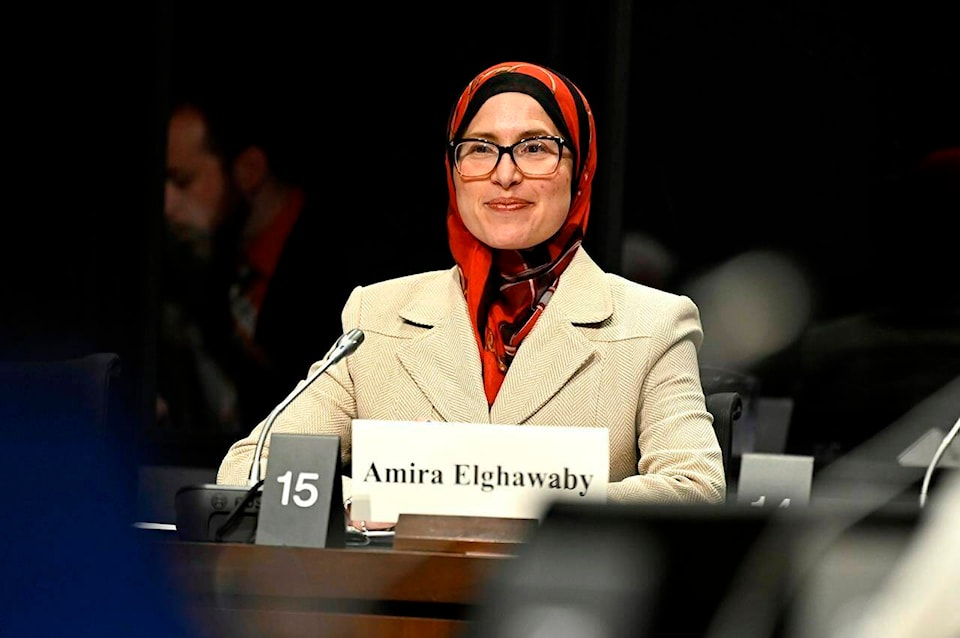
Amira Elghawaby, Canada's special representative on combating Islamophobia, is under intense scrutiny from the Quebec government following her letter urging Canadian universities to hire more Muslim, Arab and Palestinian professors.
This recommendation, intended to address rising tensions on campuses amid the Israel-Hamas conflict, has sparked a strong backlash from Quebec officials, who have called for an anti-Islamophobic adviser’s resignation.
Elghawaby, a Canadian journalist and human rights, was born to Egyptian parents and raised in Ottawa. She holds a degree in Journalism and Law from Carleton University. Elghawaby has a rich background in media and advocacy, having worked with organizations like the Canadian Race Relations Foundation and the National Council of Canadian Muslims.
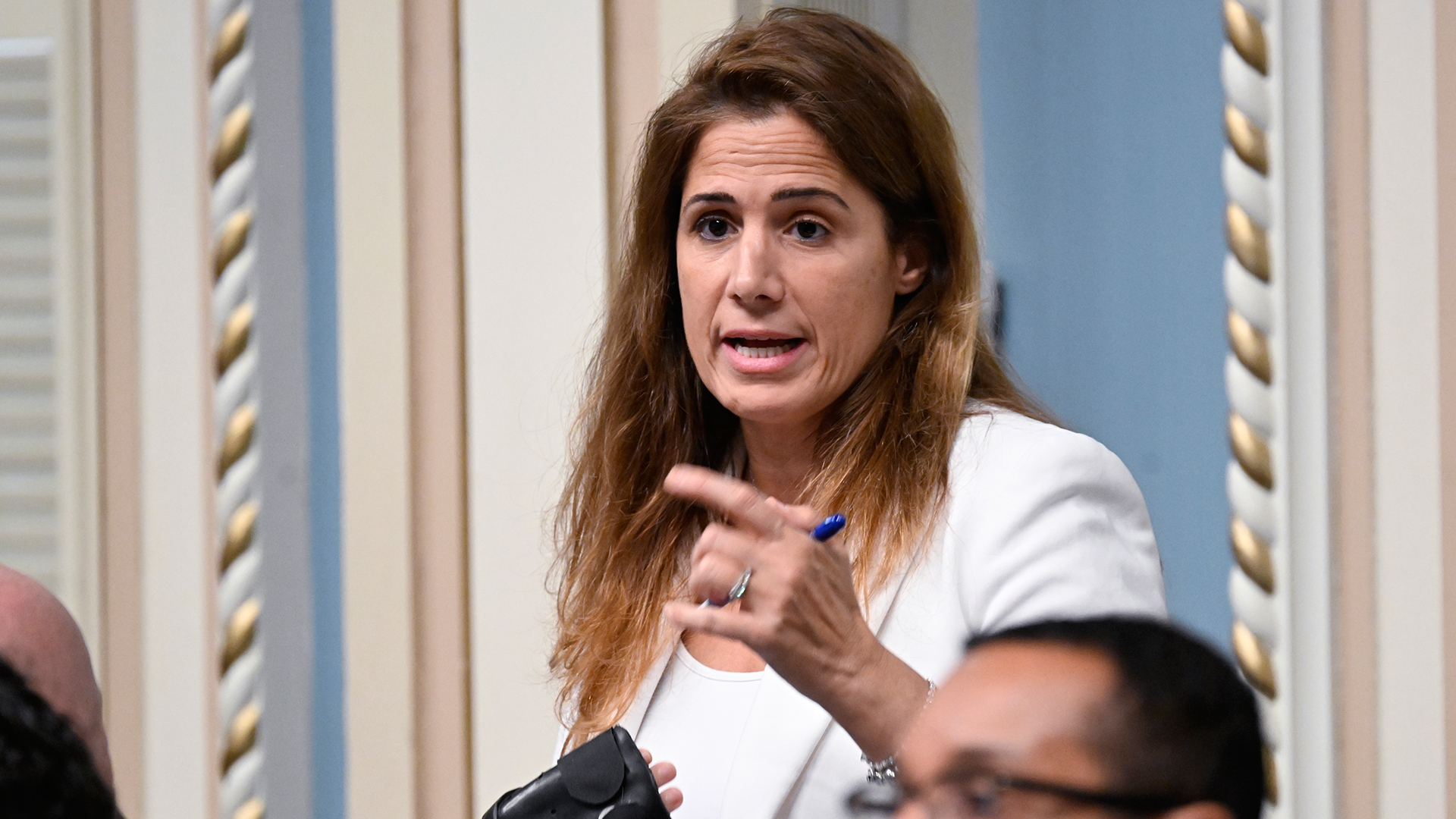
The Quebec government, particularly through Minister of Higher Education Pascale Dery, has called for Elghawaby's resignation. Dery criticized her suggestions as "totally unacceptable," asserting that hiring based on religious affiliation contradicts Quebec's secular principles.
Dery wrote on X. “We are talking about the same person who has insulted Quebecers on several occasions. She has no legitimacy to ask our colleges and universities what to do. We repeat: she must resign.”
Dery emphasized that the primary issue on campuses is antisemitism, not Islamophobia, stating, “What is on the rise on campuses is antisemitism. I will spare no effort to ensure that our institutions do everything possible to restore a healthy and safe environment for all students and to counter bullying and hatred.”
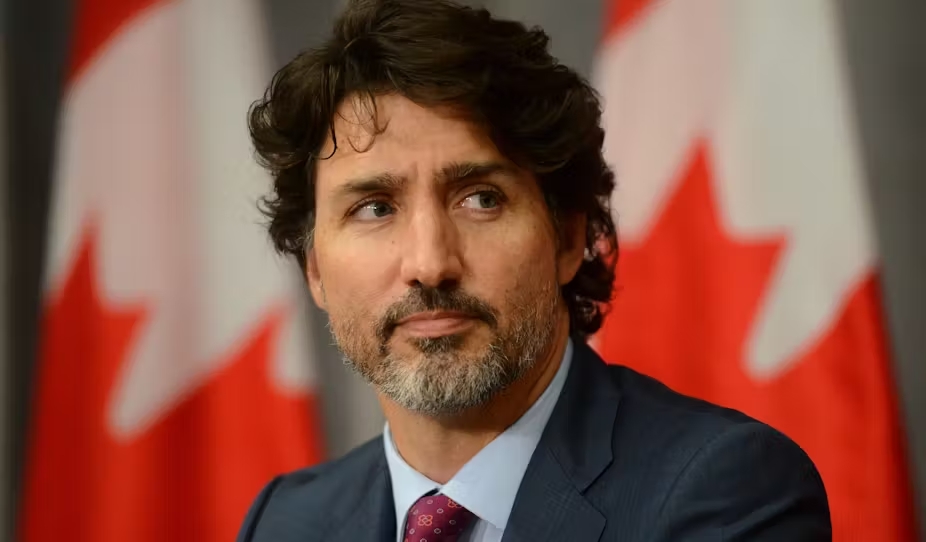
In contrast, Prime Minister Trudeau defended Elghawaby's role, emphasizing that her position involves making recommendations and fostering dialogue rather than mandating specific actions. Trudeau noted that universities have their own hiring policies and that Elghawaby’s role is to encourage discussions on important issues like Islamophobia.
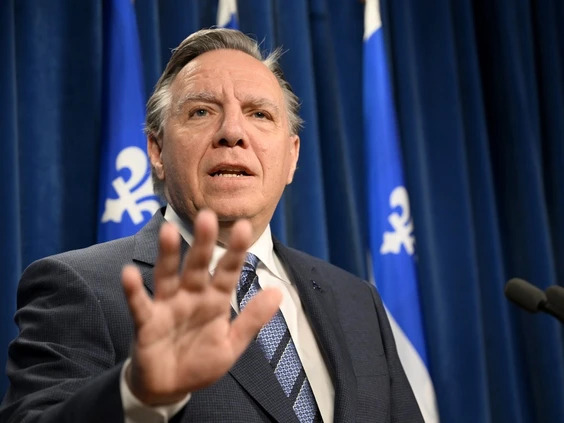 Quebec Premier Francois Legault agreed with Déry’s thoughts, calling Elghawaby’s recommendations, insisting that hiring decisions should be based solely on qualifications. In Repentigny, Quebec, Premier Legault criticized Trudeau for defending Elghawaby "in the name of diversity” and for not demanding her resignation.
However, the episode of the anti-Islamophobia adviser controversy appears to overlook the larger issue Elghawaby sought to address: the increasingly hostile environment Muslim and Arab students and faculty face in the wake of the ongoing conflict.
Her recommendations included supporting freedom of expression, briefing campus leaders on civil liberties and Islamophobia, and increasing the representation of Muslim, Arab and Palestinian professors to better reflect the diversity of the student body.
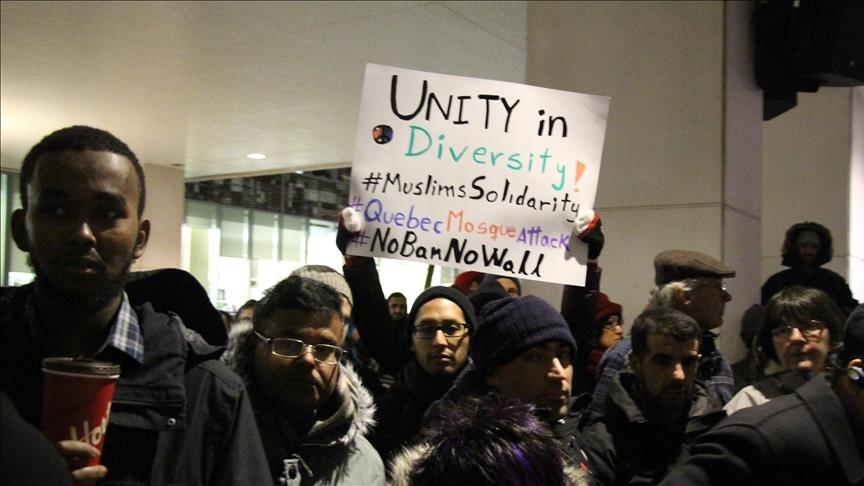
This incident is not the first clash between Elghawaby and Quebec authorities. Her appointment in January 2023 was met with skepticism due to her previous criticisms of Quebec's secularism laws, including a ban on public sector workers wearing religious symbols. She had previously apologized for comments suggesting that many Quebecers held anti-Muslim sentiments.
The controversy surrounding the anti-Islamophobia adviser's resignation reflects a deeper struggle within Quebec regarding its secular identity and the treatment of minority communities. The province has been criticized for its secularism law (Bill 21), which bans public sector workers from wearing religious symbols—a policy that disproportionately affects Muslim women.
Copyright © AMT Inc. All rights reserved 2024.