
Malaysian State Enforces Stricter Penalties for Skipping Friday Prayers
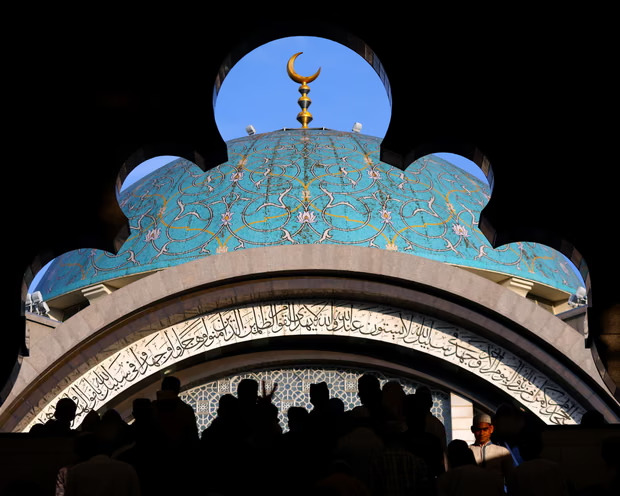
Muslim men in Malaysia’s Terengganu state could now face up to two years in prison or fines of RM3,000 (about £525) for missing a single Friday prayer without a valid reason.
The ruling, enforced under the Shariah Criminal Offences (Takzir) Enactment 2016, came into effect this week, marking a significant shift from previous laws, where only those who missed three consecutive prayers were penalised.
The law was announced by the state’s governing Pan-Malaysian Islamic Party (PAS). “This reminder is important because Friday prayers are not only a religious symbol but also an expression of obedience among Muslims,” said Muhammad Khalil Abdul Hadi, a member of Terengganu’s State Executive Council responsible for information, preaching, and Shariah empowerment.
He added, “Punishment will only be imposed as a last resort if reminders are ignored by those who neglect this obligation.”
Authorities stated that enforcement will rely on public reports and religious patrols, supported by joint operations involving the Terengganu Islamic Affairs Department (JHEAT) and local authorities. Banners and signage will also be placed in mosque compounds to remind worshippers of their obligations.
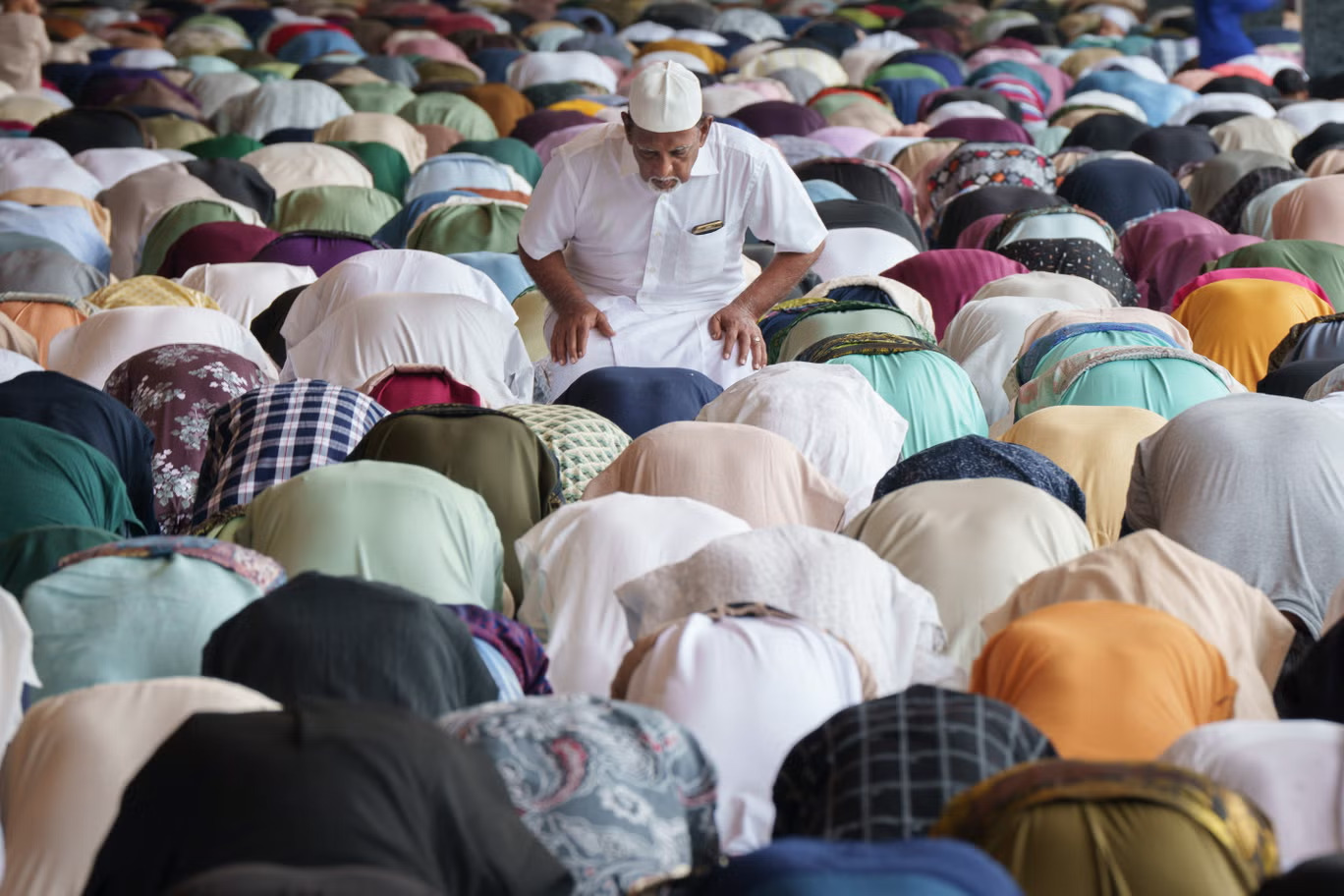 Muslims offering Eid prayer at National Mosque Malaysia
Previously, the maximum penalty was six months’ imprisonment or a fine of RM1,000. The revised law now allows for up to two years in jail, a RM3,000 fine, or both, even for first-time offenders.
The move has drawn sharp criticism from rights advocates. Phil Robertson, director of Asia Human Rights and Labour Advocates (AHRLA), called the law “shocking,” saying, “Freedom of religion and belief also means freedom to not believe or participate, so Terengganu authorities are blatantly abusing human rights with this draconian law.” He urged Prime Minister Anwar Ibrahim to revoke the penalties.
Social media users also voiced strong opposition. Lawyer Azira Aziz wrote on X, “So much for no compulsion in Islam, or a reflection of how little Terengganu men pray their Friday prayers. No one disagrees that Friday prayers are wajib (obligatory), I just think it’s unnecessary to be codified as law as a crime/offence. Advocacy and awareness programs would’ve been sufficient.”
Terengganu, with a population of 1.2 million, is one of four Malaysian states controlled by PAS, which holds all 32 seats in the state legislative assembly, leaving no opposition.
The party has long advocated stricter Islamic governance and previously proposed implementing hudud laws, which include punishments such as amputations for theft and stoning for adultery.
This development reflects a broader trend in Malaysia’s political landscape, where PAS is pushing for tighter religious enforcement. Similar attempts have been seen in Kelantan, a neighbouring state, which in 2021 tried to expand Shariah criminal law to include offences such as sodomy, incest, and gambling.
However, Malaysia’s Federal Court struck down such laws in February 2024, declaring them unconstitutional, a decision that sparked mass protests by PAS supporters demanding protection for Shariah laws.
Critics fear that laws like this could tarnish Islam’s image globally and restrict personal freedoms. As Robertson warned, “Laws like this give Islam a bad name.” Supporters, however, argue that the enforcement aims to “educate and preserve the dignity of Islam, particularly among the younger generation,” as stated by Muhammad Khalil.
Malaysia operates a dual legal system, where civil law runs alongside Shariah law for personal and family matters involving Muslims, who make up about two-thirds of the country’s 34 million population.
The new enforcement in Terengganu underscores the ongoing tension between religious authority and individual freedoms in the nation’s multicultural society.
Copyright © AMT Inc. All rights reserved 2024.