
US Senate Moves to Curb Trump’s Military Authority Over Venezuela
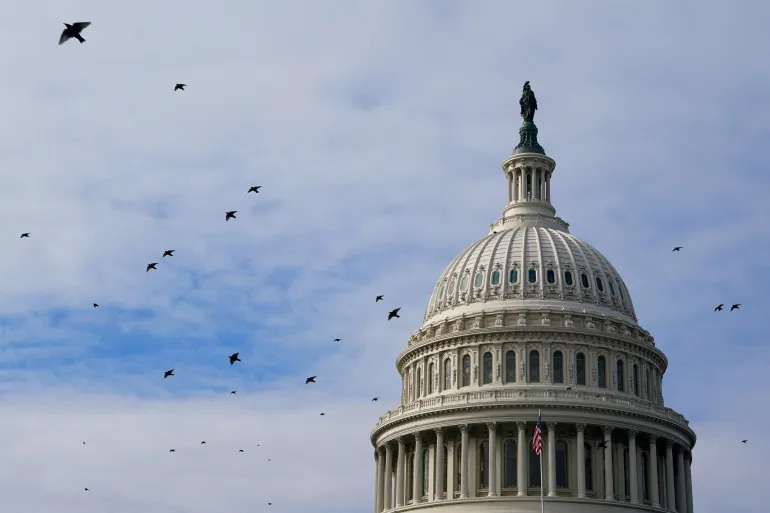
The US Senate has moved to rein in President Donald Trump’s authority to escalate military action against Venezuela, advancing a bipartisan war powers resolution in a 52–47 vote that reflects growing unease in Congress after the dramatic capture of Venezuelan President Nicolas Maduro.
The procedural vote, taken on January 8, clears the way for a full Senate debate next week on a measure that would require the removal of US forces from any unauthorized hostilities “within or against Venezuela” unless Congress gives explicit approval.
All 47 Senate Democrats were joined by five Republicans, Rand Paul, Susan Collins, Lisa Murkowski, Josh Hawley and Todd Young, breaking with their party’s leadership and the president.
The move follows a January 3 US military raid in Caracas that seized Maduro and his wife and transferred them to custody in New York. In the days after the operation, Trump publicly suggested the United States would temporarily “run” Venezuela and control its oil resources, comments that alarmed lawmakers across party lines and drew international condemnation.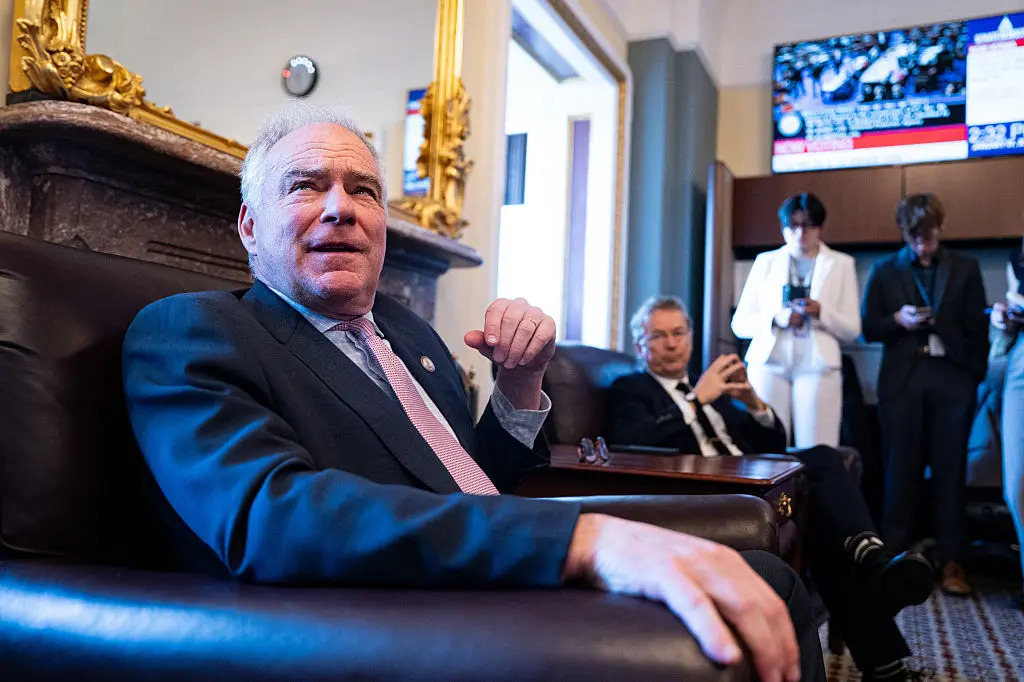
Democratic Senator Tim Kaine of Virginia, who led the resolution, said the president’s actions crossed a constitutional line. “Instead of responding to Americans’ concerns about the affordability crisis, President Trump started a war with Venezuela that is profoundly disrespectful to U.S. troops, deeply unpopular, suspiciously secretive and likely corrupt,” Kaine said. “Trump’s war is also clearly illegal because this military action was ordered without the congressional authorization the Constitution requires.”
Kaine warned that the administration’s own signals pointed to a long-term engagement. “The indication from the administration is that this is not a few days or a few weeks, it’s likely a few years of US occupation and involvement in this country,” he told the Senate. “This is not an arrest warrant. This is far bigger than that.”
Republican Senator Rand Paul, a co-sponsor of the measure, echoed that assessment, rejecting the White House’s characterization of the raid as a narrow law-enforcement operation. “Make no mistake, bombing another nation’s capital and removing their leader is an act of war, plain and simple,” Paul said. “No provision in the Constitution provides such power to the presidency.”
Other Republican supporters framed their votes as a defense of Congress’s role, not a rejection of national security. “I believe invoking the War Powers Act at this moment is necessary, given the President’s comments about the possibility of ‘boots on the ground’ and a sustained engagement ‘running’ Venezuela, with which I do not agree,” Senator Susan Collins said in a statement. Senator Lisa Murkowski said Congress must “affirm our role under Article 1.”
Trump responded angrily, calling the vote a threat to US security. “This Vote greatly hampers American Self Defense and National Security, impeding the President’s Authority as Commander in Chief,” he wrote on Truth Social, adding that the War Powers Act is “Unconstitutional” and that the five Republican senators “should never be elected to office again.”
Many Republicans defended the president ahead of the vote. Senator James Risch argued that the Maduro operation was a brief, one-off action that did not amount to a war. Senate Majority Whip John Barrasso described it as a legitimate law-enforcement effort, saying the resolution “does not make America stronger. It makes America weaker and less safe.”
Despite those arguments, the Senate vote signals a shift from earlier failed efforts to curb Trump’s war powers. A similar resolution fell short in November, and previous attempts last year were blocked as Republicans largely unified behind the president. This time, the fallout from the Caracas raid, classified briefings that left lawmakers saying they were kept in the dark, and Trump’s own statements about long-term control of Venezuela appear to have changed the calculus.
The resolution, rooted in the 1973 War Powers Act, does not retroactively block the Maduro raid, but it aims to prevent further strikes or sustained military involvement without congressional approval. It is expected to pass the Senate by a simple majority but faces an uncertain path in the Republican-controlled House and a near-certain presidential veto, which would require a two-thirds majority in both chambers to override.
Internationally, the episode has heightened concern. Venezuelan acting president Delcy Rodriguez rejected US claims of dominance, saying her country was not “subjugated” and announcing recovery efforts in areas hit by US strikes. “We are assisting with recovery efforts where the bombs fell,” she said. “Venezuela is returning to work after the illegal aggression it suffered on January 3.”
Singapore’s Senior Minister Lee Hsien Loong warned that the intervention set a troubling precedent for smaller nations. “The longer term consequences on the international system, I think, that is something which we have to worry about,” he said. “This is contrary to international law, is contrary to the UN Charter.”
For now, the Senate’s action is largely symbolic, but supporters argue its message is clear. As Senate Majority Leader Chuck Schumer put it, Congress must assert “the authority given to it in the Constitution on matters of war and peace.” Or, in Kaine’s words to his colleagues: “Enough is enough. That means no war without a debate and vote in Congress.”
Copyright © AMT Inc. All rights reserved 2024.